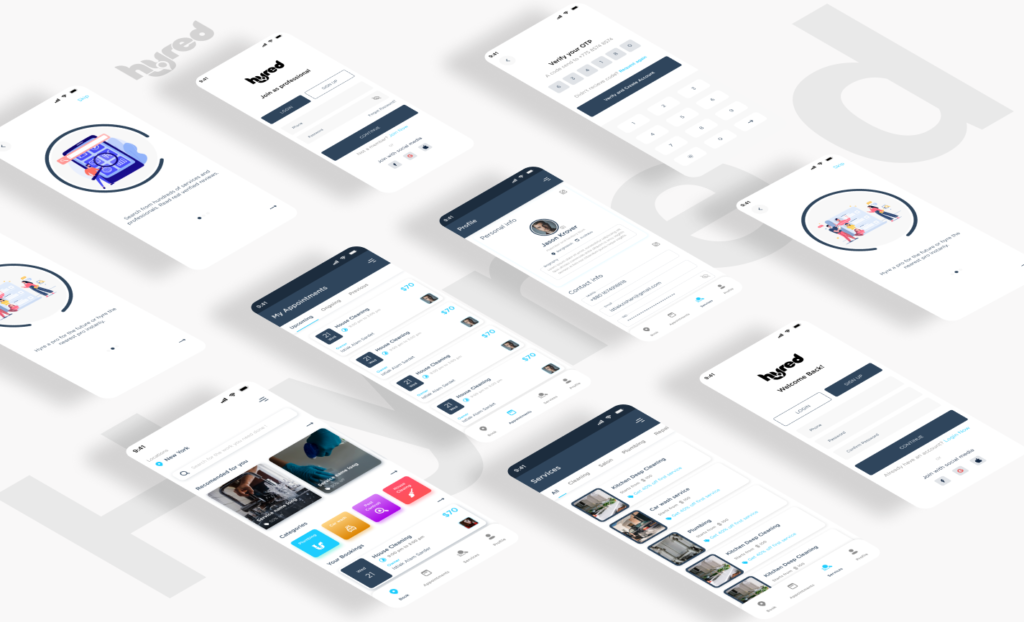
Imagine an app that rearranges itself before you even tap. In 2026, that’s what users demand. Mobile app design isn’t static anymore; it’s alive, responding to behaviors shaped by AI, 5G, and non-stop connectivity.
User habits have evolved fast. Attention spans average 8 seconds, privacy is paramount, and seamless experiences rule. For mobile app development companies, ignoring this means obsolescence.
Keep reading this app development guide to unpack how these shifts force smarter designs in custom mobile app development.
AI Personalization Mirrors User Habits
Users now expect apps to know them intimately. AI-powered mobile app development analyzes patterns, like evening workout logs, to surface relevant features first. This cuts friction, boosting retention by 30% in top apps.
Designs feature dynamic home screens that adapt hourly. A banking app might prioritize bill pay during month-end based on past behavior. Mobile application development agencies excel here by embedding on-device AI, for instance, private tweaks.
As explored in Pixact Technologies’ insights on how AI, automation, and 5G are redefining mobile app development, these tools make apps feel psychic.
5G Fuels Instant, Immersive Interactions
5G technology has rewired expectations. Users multitask with zero tolerance for lag, demanding AR try-ons or live co-editing via 5G apps. This behavior pushes mobile app development technologies toward edge computing for millisecond responses.
Apps now preload content over 5G networks, anticipating swipes. Fitness trackers sync biometric data in real-time during runs. A 5G-ready mobile app development firm builds lightweight UIs that scale with 5G signals.
The 5G revolution means designs prioritize modularity—components load on-demand, keeping battery life optimal.
Gesture and Voice Interfaces Match Natural Flows
Gone are clunky menus. Users gesture-swipe or voice-command mid-commute, reflecting hands-busy lives. App automation via AI-powered automation in app development interprets intent, like auto-suggesting routes from spoken “home.”
Micro-animations provide tactile feedback, mimicking real-world physics. Onboarding shrinks to one gesture for regulars. This aligns with shortened decision times in 2026.
Mobile app development services integrate these for effortless navigation, turning apps into intuitive companions.
Privacy Designs Build User Trust
Data breaches have made users wary 70% reject apps with opaque policies. Behaviors show quick scans of permission screens before installs. Designs now use clear toggles and “trust dashboards” summarizing data use.
AI flags unusual access without tracking, fostering loyalty. Minimalist UIs default to private modes yet deliver value. Application development companies prioritizing this see higher lifetime value. Transparent flows, like one-tap data exports, make privacy a feature, not a chore.
Super Apps and Cross-Platform Unity
Users hate app-switching, demanding seamless experiences across devices. In 2026, super apps bundle essentials like chat, payments, and shopping, powered by 5G app development for instant state sync from phone to watch.
Modular, Expandable Designs
Travel super apps auto-add flights after hotel searches, adapting to context.
This modular approach uses AI to predict user needs, expanding sections dynamically without cluttering screens.
Mobile app development companies build these with flexible components, ensuring scalability across use cases.
Cross-Platform Frameworks
Tools like Flutter enable app development firms to deliver unified UIs.
They sync states seamlessly across iOS, Android, and wearables, reducing development time by 40%. Users expect this unity, making cross-platform application development a must for retention.
User Behavior Driver
All-in-one convenience reduces friction, boosting daily engagement. Busy 2026 users consolidate apps to save time, favoring ecosystems over single-purpose tools.
This shift demands designs that prioritize discoverability within super apps for higher loyalty.
AI Personalization
- Habit prediction leads to dynamic layouts that shift intuitively.
- AI analyzes patterns, like frequent payments, to reorder menus proactively.
- AI-powered mobile app development ensures privacy-safe adaptations, delighting users daily.
5G Integration
- Zero-latency needs fuel for real-time AR and sync features.
- 5G networks enable collaborative editing or live streams without buffering.
- 5G-ready devices thrive with apps optimized for high-speed data flows.
Voice/Gestures
- Hands-free use demands natural, fluid inputs.
- Voice commands handle complex tasks like bookings, while gestures provide quick navigation.
- App automation refines these for multitasking lifestyles in 2026.
Privacy Focus
- Permission scrutiny requires transparent, trust-building controls.
- Clear dashboards show data usage, with one-tap opt-outs building instant trust.
- Ethically focused mobile application development services make privacy a core design principle.
Accessibility and Sustainability as Defaults
- Inclusive design is table stakes, voice-over for the visually impaired, and high-contrast modes.
- Eco-users shun battery hogs, so AI optimizes renders. These behaviors elevate ethical mobile application development firms.
Frequently Asked Questions
How does AI transform mobile app design in 2026?
AI crafts adaptive UIs that shift based on context, like location or time, slashing navigation steps. On-device processing keeps it fast and private for AI mobile app development.
Why is 5G crucial for app development services?
5G enables immersive 5G applications with no lag, matching users’ real-time multitasking. It powers features like collaborative tools that feel instantaneous.
What makes adaptive UIs essential now?
Users expect apps to evolve with their patterns, improving engagement. Static screens frustrate in an era of personalization.
How to pick an app development company?
Seek expertise in AI, 5G, and UX trends. Pixact Technologies outlines this in how to Choose a Software Development Partner.
Are super apps overtaking single-purpose apps?
Yes, users consolidate for convenience. Designs must support seamless module integration.
How does UI/UX drive ROI in 2026?
Intuitive designs lift conversions 25%. See Pixact’s take on what great UI/UX looks like and how it drives ROI.
Final Verdict
In 2026, user behavior, fueled by AI expectations, 5G speed, and privacy demands, will demand revolutionary mobile app design. Adaptive UIs, voice/gesture controls, and super apps aren’t luxuries; they’re essentials for retention. Businesses ignoring these shifts risk irrelevance.
Embrace AI-powered mobile app development and 5G-ready technologies to craft intuitive, predictive experiences that users love. Pixact Technologies stands ready as your mobile app development agency to deliver custom solutions, driving ROI.
Don’t lag; transform user habits into your competitive edge. Contact Pixact Technologies now and get in touch for a free consultation on future-proof app strategies. The 2026 app revolution starts today!