The next generation of blockchain mobile apps is not just about “adding crypto” to an existing product. It is about rethinking the entire architecture of your mobile stack to run on distributed ledger networks, with logic cleanly split between on‑chain smart contracts, off‑chain services, and a lean, secure mobile client. This is a decentralized architecture design in practice.
In this guide, you’ll learn how to design a scalable, secure, and user‑friendly architecture for blockchain‑powered mobile apps that interact with distributed ledger networks, and how Pixact’s broader expertise in custom mobile app development can support that journey.
What Is Decentralized Architecture in Blockchain Mobile App Development?
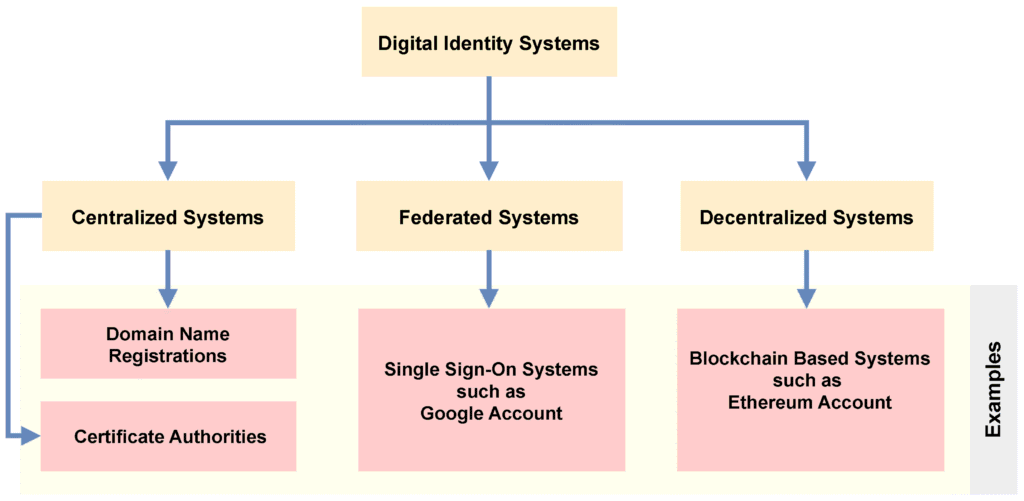
Decentralized architecture means your mobile app no longer depends on a single centralized server for critical logic and data. Instead, core rules and state live on distributed ledger networks (blockchains), while the mobile app acts as a thin client that reads and writes to the ledger via smart contracts and wallet‑SDK layers.
This architecture is ideal for crypto wallets, decentralized exchanges (DEXes), NFT platforms, and any trust‑based mobile app that must guarantee tamper‑resistant data and transparent operations. For a higher‑level view of how such systems are architected, you can read our discussion on distributed ledger integration patterns in enterprise‑grade products.
Why You Need Decentralized Architecture for Blockchain Mobile Apps
Traditional mobile apps rely on centralized databases and backend APIs, which create single points of failure and security chokepoints. In a financial, identity, or supply‑chain use case, this is risky.
A decentralized architecture built on distributed ledger networks offers:
- No central server for attackers to compromise.
- Immutability of critical records (balances, ownership, transactions).
- Permission‑based or open governance over state changes.
- Transparency across nodes and participants.
This is particularly important for next‑generation blockchain mobile app development, where users expect self‑custody, on‑chain proof of ownership, and gas‑efficient interaction with smart contracts. For more context on how modern architecture is evolving, see our scalable Android app architecture and enterprise‑level fintech architecture patterns.
Understanding Distributed Ledger Networks
A distributed ledger network is a shared, replicated database that all participating nodes maintain. Transactions are verified by consensus algorithms (Proof‑of‑Stake, Proof‑of‑Authority, etc.) and then cryptographically chained into an immutable history.
For mobile app developers, this means the app can treat the ledger as a canonical source of truth, while off‑chain systems focus on indexing, analytics, and user‑friendly interfaces.
Core Components of a Decentralized Blockchain Mobile Architecture
A robust decentralized architecture for blockchain mobile apps typically includes four main layers:
- Mobile client
- On‑chain layer (smart contracts)
- Off‑chain backend
- Wallets and key management
To make this concrete, here is a component‑level view of how a next‑generation blockchain mobile app might be structured.
Table 1: Decentralized Architecture Layers for Blockchain Mobile Apps
| Layer | Responsibility | Example within the app stack |
| Mobile client | User interface, wallet interaction, transaction initiation, status feedback | iOS/Android app built with Flutter or React Native |
| On‑chain layer | Immutable state, business rules, token transfers, NFT minting, governance | Smart contracts deployed on Ethereum/Polygon |
| Off‑chain backend | Key material management, recovery, signing, and hardware‑wallet integration | REST/GraphQL API plus indexing service |
| Wallets & keys | Key material management, recovery, signing, hardware‑wallet integration | MetaMask‑style provider, in‑app wallet SDK |
This layered model is similar to the patterns described in our custom mobile app development for enterprises article, extended to cover on‑chain trust and self‑custody.
How to Design a Decentralized Architecture for Your Mobile App
Step 1: Define On‑Chain vs Off‑Chain Boundaries
Not every piece of logic belongs on the blockchain. A good rule of thumb is to keep the most critical, audit‑sensitive rules on‑chain and delegate everything else to off‑chain layers.
To help you decide, here is a second table comparing on‑chain and off‑chain concerns.
Table 2: On‑Chain vs Off‑Chain Responsibilities in Blockchain Mobile Apps
| Aspect | Best kept on‑chain | Best kept off‑chain |
| Core state (ownership, balances) | NFT ownership, token balances, staking claims | User profiles, preferences, non‑critical metadata |
| Business rules | Heavy transforms, machine‑learning workloads, and real‑time aggregations | Analytics, dashboards, ranking algorithms, experiments |
| Computation | Small, deterministic, and security‑critical operations | Heavy transforms, machine‑learning workloads, real‑time aggregations |
| Large data | Only hashes or commitments | Media files, logs, chat history, rich UI elements |
| User experience | Minimal, only what must be verified everywhere | All UI flows, onboarding, guidance, tooltips, tutorials |
Defining this boundary is the first step of decentralized architecture design and shows up repeatedly in our How to scope an MVP that actually solves a problem and MVP vs full product architecture ” discussions.
Step 2: Choose the Right Blockchain or Ledger Network
Your choice of distributed ledger network will shape throughput, cost, and developer experience. For next‑generation blockchain mobile app development, common platforms include:
- Ethereum‑compatible (Ethereum, Polygon, Arbitrum, Optimism) for Solidity‑based ecosystems.
- High‑throughput chains like Solana or Cosmos‑based networks for NFT and gaming apps.
For ecosystem and performance insights, you can read our analysis of leading industries in mobile app development in 2026.
Step 3: Integrate Wallets and Keys Securely
Your mobile app must allow users to sign transactions and manage keys without exposing them to risk. Use standard wallet protocols, secure‑key‑storage patterns, and hardware‑wallet integration where possible.
Security‑focused design is covered in our secure coding standards for iPhone app development and enterprise‑level security and architecture guidance.
Step 4: Build a Resilient Communication Layer
Mobile devices have unstable networks and limited CPU/Battery. A well‑designed communication layer should:
- Use lightweight clients or indexing backends to fetch on‑chain data.
- Cache frequently used data (balances, order books, profile info) on the device or in a fast API.
- Offer clear status updates (pending, confirmed, reverted) so users don’t panic.
This mirrors patterns of A Practical Guide to scalable Android app development and future-of-Android-mobile-application-development.
Best Practices for Next‑Generation Blockchain Mobile Architecture
- Embrace hybrid architecture (on‑chain + off‑chain) to balance security, cost, and performance.
- Optimize UX so blockchain complexity is invisible: one‑tap wallet connect, friendly fee estimates, and clear confirmation flows.
- Plan for upgrades and oracles using proxy‑based smart‑contract patterns and secure off‑chain adapters.
Our UI/UX design for responsive web and mobile applications, and how AI automation and 5G are redefining mobile app development, articles give additional UX and performance guidance that applies well here.
How Pixact Can Help with Your Blockchain Mobile App
At Pixact, our custom mobile app development services and mobile app development services already handle performance‑critical, security‑sensitive systems; layering blockchain, smart contracts, and distributed ledger networks on top is a natural extension.
We can help you:
- Design the on‑chain/off‑chain boundary for your blockchain mobile app.
- Implement wallet‑ready, multi‑chain clients for iOS and Android.
- Integrate distributed ledger networks with your existing backends and analytics stacks.
If you want to see how such a blockchain‑driven mobile architecture can be scoped and delivered incrementally, our MVP app development and how to choose a software development partner without regrets guides lay out the product and vendor‑selection side of the puzzle.
In Conclusion
Decentralized architecture design for next‑generation blockchain mobile app development on distributed ledger networks is about creating a tight, layered stack where the mobile app is simple and fast, the distributed ledger network provides tamper‑resistant state, and the off‑chain backend handles performance‑sensitive work.
By combining Pixact’s expertise in custom mobile app development and enterprise‑grade architecture, you can build blockchain mobile apps that are ready for real‑world adoption, not just for crypto‑native enthusiasts.