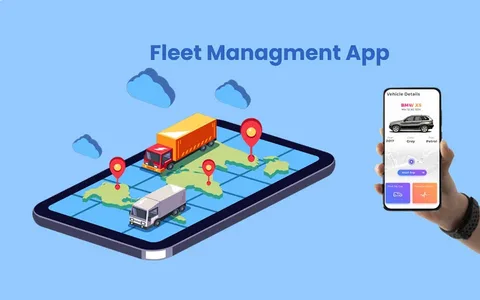
Logistics operations live or die by real-time visibility. When vehicles vanish from tracking for even minutes, dispatchers lose ETAs, fuel optimization, and driver safety insights. A scalable fleet management app transforms this chaos into precise control, but only with proper architecture.
This isn’t about slapping GPS on a map. Modern fleet management app development demands streaming thousands of vehicle telemetry streams, processing geofencing alerts instantly, and serving dashboards without lag. Building with a fleet management app development company experienced in IoT scale separates basic apps from enterprise platforms handling 10,000+ vehicles daily.
Architecture Requirements First
Before code, define what success looks like:
Technical Demands:
- Sub-second GPS updates across global fleets
- 99.99% uptime during peak dispatch hours
- Horizontal scaling from 100 to 100,000 vehicles
- Secure vehicle-to-cloud communication
Business Outcomes:
- 20-30% fuel savings through route optimization
- 40% reduction in idle time and violations
- Real-time ETAs accurate within 5 minutes
- Compliance reporting is generated automatically
The right fleet management software development architecture turns these requirements into reality.
Table 1: Core Architecture Layers
| Layer | Purpose | Key Technologies |
| Device | GPS/sensors in vehicles | OBD-II, GPS trackers |
| Ingestion | Real-time data intake | MQTT brokers, Kafka |
| Processing | Business logic & alerts | Apache Flink, Spark Streaming |
| Storage | Live + historical data | TimescaleDB, Cassandra |
| API | App/dashboard access | GraphQL, REST microservices |
| Client | Operator/driver interfaces | React Native, Flutter |
Real-Time Data Ingestion: Your Fleet’s Heartbeat
Every vehicle in your fleet sends a “heartbeat” message every 5-30 seconds. Think of it like a quick status check: “I’m here, moving this fast, running on this much fuel.”
Sample Vehicle Update:
(text)
{
- “vehicleId”: “TRK-8472”,
- “timestamp”: “2026-03-27T04:30:00Z”,
- “lat”: 40.7128,
- “lng”: -74.0060,
- “speed”: 65,
- “heading”: 270,
- “odometer”: 245672,
- “engineHours”: 8923,
- “fuelLevel”: 0.73
}
Why MQTT Wins for Tracking:
- Tiny messages (2KB vs 20KB for regular web requests)
- Survives bad cell signal (keeps sending even on weak connections)
- Battery-friendly (doesn’t drain vehicle trackers or driver phones)
Simple Flow:
(text)
- Vehicle GPS → MQTT Broker → Stream Processor → Alerts + Dashboard ↓
(Keeps sending even if the internet drops briefly)
What Happens Instantly When Data Arrives:
- Geofence Alerts: Truck entered delivery zone!
- Speed Warnings: Vehicle #8472 speeding at 75mph.
- ETA Updates: Recalculates arrival times for all affected deliveries
- Driver Scoring: Tracks harsh braking, idling patterns
This heartbeat system ensures dispatchers see live positions while getting instant notifications about problems, no waiting for batch updates or manual check-ins.
Storage Strategy: Hot, Warm, Cold Tiers
Real-time dashboards need different data than monthly reports:
- Hot Storage (0-72 hours): TimescaleDB for sub-second queries on live positions
- Warm Storage (72 hours-90 days): ClickHouse for analytics and compliance
- Cold Storage (90+ days): S3 for raw archives and ML training
Proper sharding ensures 10,000 vehicles don’t overwhelm single database instances.
Table 2: Storage Tier Comparison
| Storage Tier | Latency | Use Case | Cost |
| Hot (TimescaleDB) | <100ms | Live tracking, alerts | $$$ |
| Warm (ClickHouse) | <1s | Reports, compliance | $$ |
| Cold (S3 Glacier) | Hours | Archives, ML datasets | $ |
Microservices: The Scalability Key
Break your fleet management mobile app into focused services:
(text)
- TRACKING-SERVICE → processes GPS streams
- ALERTS-SERVICE → geofencing, speeding violations
- ROUTING-SERVICE → ETAs, optimization
- DRIVER-SERVICE → profiles, scorecards
- MAINTENANCE-SERVICE → predictive scheduling
- BILLING-SERVICE → usage-based invoicing
Kubernetes orchestrates these services, auto-scaling based on CPU/memory. Each service stays stateless, storing session data in Redis clusters.
Driver Mobile App Architecture
Drivers need simple, safe interfaces. A Mobile App Development approach prioritizes:
Core Screens:
- Status updates (on duty/break)
- Turn-by-turn navigation
- Trip logging
- Safety checklist completion
Technical Stack:
- React Native or Flutter for iOS/Android parity
- Offline-first with local SQLite sync
- Push notifications for route changes
- Biometric authentication
Partner with a Mobile App Development Company experienced in field service apps to avoid common pitfalls like battery drain or connectivity drops.
Dispatcher Web Dashboard
Operators demand instant insights:
(text)
- Live Map → 1000+ vehicles with clustering
- Vehicle Details → Last position, speed, alerts
- Driver Cards → Current status, scorecards
- Route Planner → Drag-drop optimization
- Reports → Utilization, compliance, costs
Real-time Updates: WebSocket connections push location changes instantly. GraphQL subscriptions keep components reactive without polling.
Security: Protecting Fleet Data
Vehicle-to-Cloud:
- TLS 1.3 encryption end-to-end
- Device certificates for authentication
- Message signing prevents spoofing
User Access:
- Role-based permissions (dispatcher vs manager)
- Audit trails for all route/driver changes
- GDPR/CCPA-compliant data retention
Scalability Patterns That Work
Auto-scaling Groups: Add tracking service instances during morning dispatch peaks
Database Sharding: Partition by vehicle prefix or region
CDN Caching: Static assets and map tiles
Circuit Breakers: Isolate failing services
Load Test Results (10K vehicles):
- Peak: 1.2M events/minute
- P99 latency: 245ms
- Cost: $2.10/hour across all services
Integrations Make You Essential
Your fleet management app development services become mission-critical through:
ERP/TMS: SAP, Oracle NetSuite, Manhattan Associates
Fuel Cards: WEX, Fleetcor
Compliance: ELD mandates, HOS rules
Telematics: Geotab, Samsara device APIs
REST APIs + Webhooks enable seamless data flow. GraphQL reduces over-fetching for mobile clients.
Implementation Roadmap
Phase 1 (3 months): MVP
(text)
✅ Live GPS tracking
✅ Basic driver check-in
✅ Dispatcher map view
✅ 100 vehicle capacity
Phase 2 (3 months): Scale
(text)
✅ Geofencing/alerts
✅ Driver scorecards
✅ 1,000 vehicle capacity
✅ Basic integrations
Phase 3 (3 months): Enterprise
(text)
✅ Predictive maintenance
✅ Advanced analytics
✅ Multi-fleet support
✅ Unlimited scale
Choosing Your Development Partner
Not all Mobile App Development Services teams grasp fleet complexity. Look for:
- Proven IoT/streaming experience
- Live production systems with 1K+ vehicles
- Multi-tenant SaaS architecture expertise
- Driver safety/compliance focus
FAQs
How many vehicles can this architecture support?
10,000+ active vehicles with proper sharding and auto-scaling. We’ve seen 50K+ in production with similar patterns.
MQTT vs HTTP for vehicle tracking?
MQTT wins for real-time: 90% smaller messages, survives poor connectivity, and has lower battery drain on devices.
iOS or Android first for driver apps?
Build React Native/Flutter simultaneously. Drivers use both platforms equally in logistics.
What if we lose the vehicle GPS signal?
Fallback to driver phone GPS + dead reckoning. Smart imputation fills 1-2 minute gaps accurately.
How much does enterprise fleet management software cost?
$150K-$500K depending on features and fleet size. Monthly hosting ~$0.50/vehicle.
Production-Ready Fleet Control
A scalable fleet management app isn’t just maps and pins. It’s the operational nervous system reducing costs 25%, improving delivery accuracy 40%, and keeping drivers safer.
At Pixact Technologies, our fleet management app development services have powered logistics platforms tracking 25,000+ vehicles across 5 continents.
Book your fleet architecture consultation and turn tracking chaos into operational excellence.